Naturally carbon positive

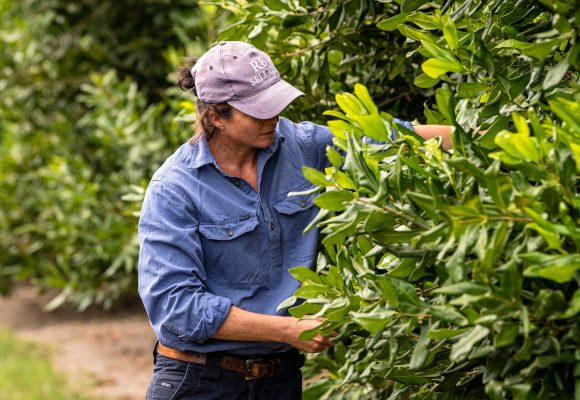
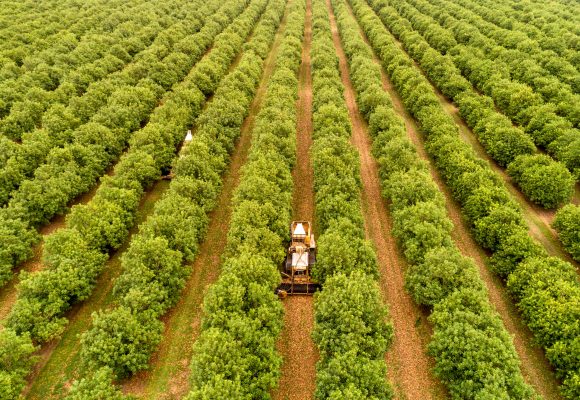
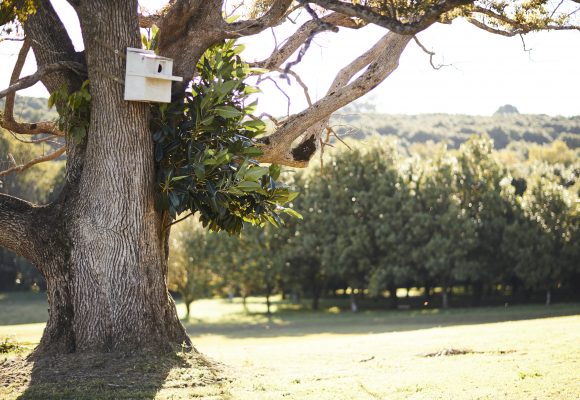
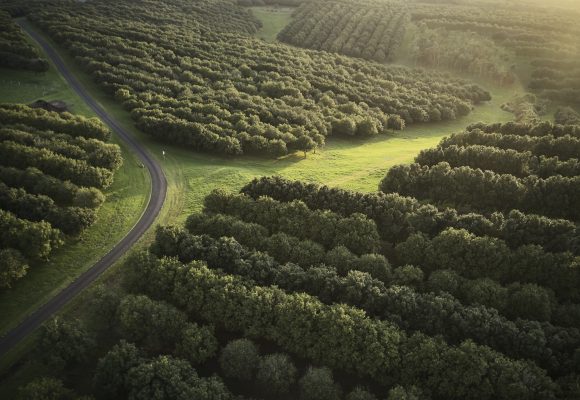
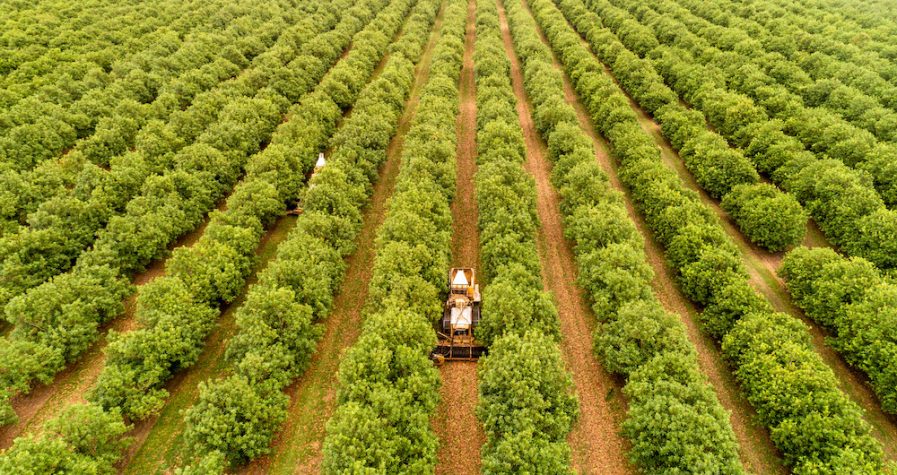
Australia is home to more than 14 million macadamia trees1 across 46,500 hectares which help reduce CO2 in the atmosphere 24 hours a day, 365 days a year. Their unique physiology, including their size, foliage and long life span, means macadamia trees can hold considerably more carbon than many other crops. Every macadamia tree helps combat climate change by naturally sequestering carbon dioxide from the atmosphere.
The average Australian macadamia orchard sequesters more than 17.6 tonnes of carbon (CO2e) per hectare per year2 from the trees alone, with further sequestration occurring in soils, inter-row plantings and biodiversity zones.
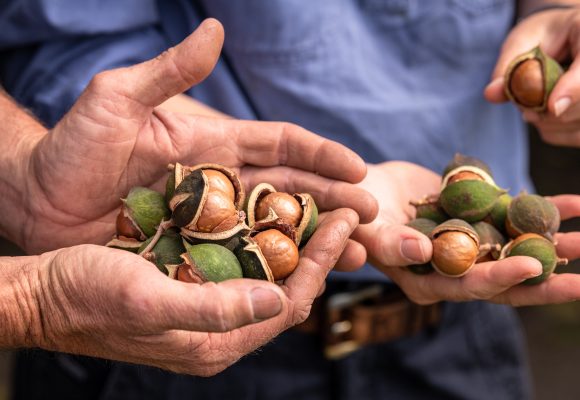
Soil plays a critical role in this process. As growers build living orchard floors through mulch made from macadamia husks and tree prunings, plant diversity and other organic inputs, carbon is retained in stable soil structures rather than returning to the atmosphere. This stored carbon feeds soil microbes, improves soil structure and helps soils hold water and cycle nutrients, strengthening the orchard as a whole.
Regeneration from underground up
Australia’s macadamia growers remain committed to conserving the natural resources on which their product relies with a strong focus on water, soil, air, native vegetation and wildlife. Many use regenerative agricultural practices in their orchards, planting multiple species around the macadamia trees and actively sowing inter-rows with a wide mix of grasses, legumes, brassicas and flowering plants to support pollinators and build biological diversity.
This diversity does more than just boost soil health. It helps rebuild a living system below ground, supporting an extraordinary level of biological activity, nutrient cycling and soil structure. Today’s growers understand soil as more than a medium in which trees grow. There is more biodiversity below ground than above it, and soil is an intricate ecosystem in its own right, rich with bacteria, fungi and micro-organisms that work together to store carbon, hold water and make essential nutrients available to trees.
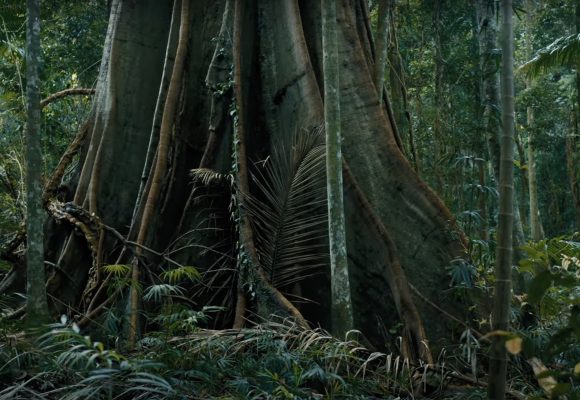
By building this underground ecosystem, growers are creating orchard floors that function more like a rainforest floor: absorbing rainfall, slowing runoff, cycling nutrients and buffering temperature extremes. The result is a system that becomes increasingly self-supporting over time, better able to adapt to changing conditions and sustain productive trees for generations to come.
1 Australian Tree Crop Map, built and maintained by the Applied Agricultural Research Centre at the University of New England 2 Murphy Tim, Graham Jones, Jerry Vanclay, Kevin Glencross; (2013) Agroforest Syst 87:689-698. Preliminary carbon sequestration modelling for the Australian macadamia industry.