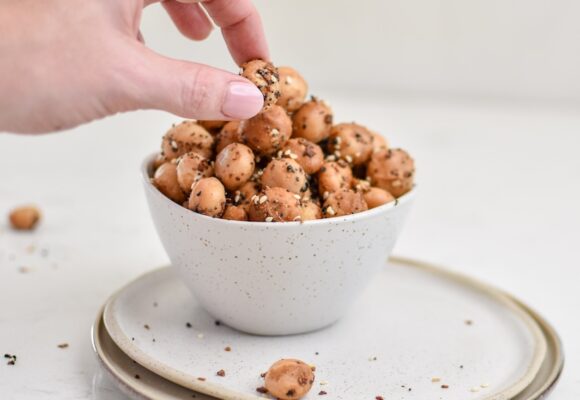
The moment a food or beverage product crosses the lips, texture begins to shape the experience. Before flavour is fully perceived, the brain is already processing signals from the mouth, assessing structure, movement and resistance.
Research in sensory science suggests this response is not incidental. Texture, often described as a contributor to mouthfeel, plays a central role in how flavour is interpreted and how products are judged overall. It is a dynamic interaction involving touch, movement and sound throughout the eating experience.1
This has important commercial implications. Texture is increasingly being used as a deliberate lever for creating indulgence, differentiation and memorability in food products, rather than simply a characteristic to be described.
That shift is influencing product development globally, with layered textures, crunch and sensory contrast emerging as key areas of innovation. Few ingredients are as naturally aligned to this trend as macadamias, whose distinctive combination of crunch, creaminess and rich mouthfeel gives product developers multiple sensory dimensions to work with.
The science of texture
While flavour is often discussed in terms of taste and aroma, sensory science shows that texture and mouthfeel also play a central role in how products are perceived, evaluated and ultimately accepted by consumers.1
Consumers experience texture through a combination of visual, tactile and auditory cues as food is manipulated and broken down in the mouth.² Crunch can create intensity, creaminess can convey richness and indulgence, while layered textures can make products feel more sophisticated and satisfying.
Texture also shapes perceptions of quality. The smooth melt of chocolate, the light flakiness of pastry or the contrast between a crunchy coating and creamy filling can all significantly influence enjoyment and perceptions of indulgence.1 This growing understanding of texture is influencing the way food products are designed, formulated and positioned.
Texture as a commercial differentiator
Texture is becoming a defining feature in food and beverage innovation, with brands across categories seeking new ways to stand out. Recent Mintel research suggests texture is now as influential as flavour in shaping product innovation, with layered textures and novel mouthfeels helping products stand out.3
Much of this innovation is focused on creating more immersive eating experiences. Mintel notes that combining textures such as crunchy, creamy, chewy and gooey within a single product can create a more sophisticated sensory journey, while also reinforcing perceptions of indulgence and premium quality.4
Ishita Pramanik, Consumer and Sensory Scientist at Queensland Department of Primary Industries, says that traditional flavour innovation is reaching saturation, so texture has emerged as a vital tool for product differentiation.
“This shift is propelled by consumers expecting restaurant-quality freshness from at-home formats, alongside the technical necessity of preserving appealing mouthfeel in healthier reformulations. Additionally, a growing focus on functional benefits like satiety and a demand for novel, multi-textural experiences are pushing structural design to the forefront,” she says.
Ishita says contrasting textures help sustain interest throughout the eating experience which naturally prevents sensory fatigue from a single, uniform texture. People naturally associate this sophisticated physical complexity with craftsmanship, premium quality and a highly rewarding eating experience.
This is translating into growing consumer demand for products with mixed textures. In Germany, for example, 85% of snack bar consumers say they are interested in products featuring different textures, while in China, 41% of consumers say they are willing to try layered textures in sugar confectionery.3, 4
Why texture is difficult to engineer
While texture may seem straightforward from a consumer perspective, delivering the desired texture consistently in a commercial food product is technically complex.
Kerridyn Hooker, Food Innovation Team Leader at the Queensland Department of Primary Industries, says advances in ingredient understanding, functionality and processing technologies are allowing manufacturers to engineer more sophisticated textural systems. But achieving the desired texture across every product batch still presents a significant technical challenge.
“Textural outcomes are highly sensitive to formulation, processing and storage conditions,” Kerridyn says. “Factors such as moisture migration, fat crystallisation, particle size, thermal treatment and shelf-life stability can all influence texture over time. Ingredients also behave very differently depending on whether they are baked, roasted, frozen or incorporated into other food systems such as fillings, doughs or emulsified products.”
With so many variables at play, achieving texture consistency at scale is a high-stakes balancing act. As Kerridyn explains, it’s become a critical measure of quality.
“Consumers often assess texture in conjunction with flavour. Attributes such as crunch, smoothness, creaminess or viscosity are critical to product quality,” she says.

The macadamia advantage
While many nuts are primarily valued for crunch, macadamias offer a broader sensory profile, combining delicate crunch with creaminess, richness and smooth mouthfeel depending on the format and application.
“Macadamias provide diverse textural characteristics and sensory outcomes, depending on their format, size, roast profile and application system,” Kerridyn says.
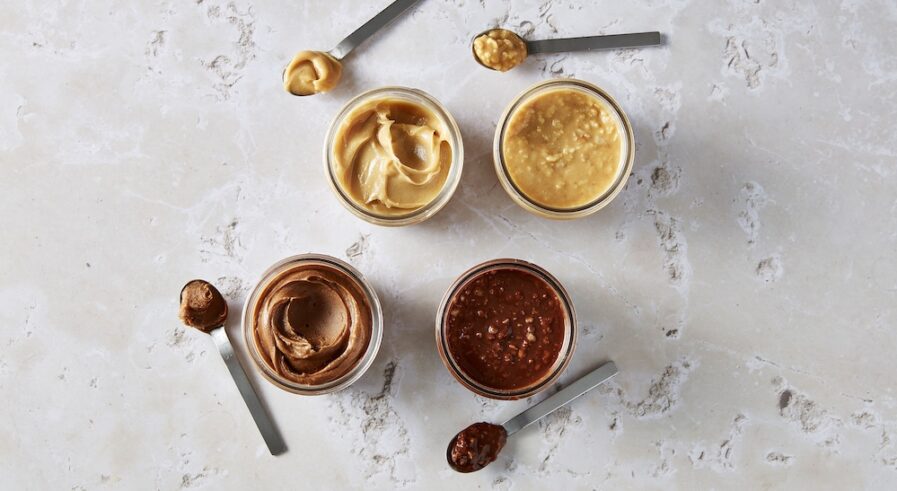
She explains that their naturally high monounsaturated fat content contributes a smooth, creamy and buttery mouthfeel that works particularly well in nut pastes, pralines and emulsified applications, while roasted kernels provide a more delicate crunch than many other nuts, making them highly effective in layered texture applications.
“Different macadamia kernel styles allow developers to precisely tailor texture distribution under a range of processing conditions including baking, roasting and milling.”
This versatility aligns closely with broader product development trends around premiumisation and sensory contrast. In bakery, confectionery, snacks and frozen desserts, macadamias can help create products with more layered and engaging textures, particularly where contrast between creamy and crunchy elements is central to the eating experience.
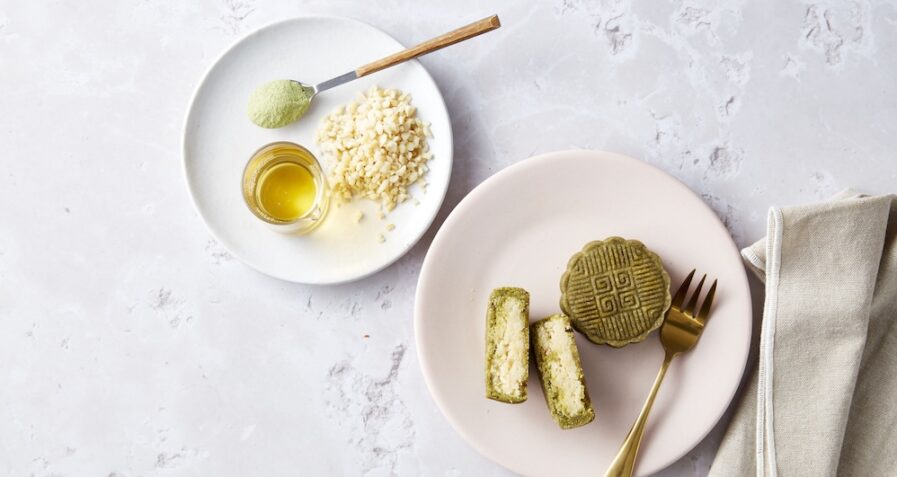
Mintel GNPD analysis of macadamia-containing product launches across Australia, China, Japan, South Korea, Taiwan, Hong Kong and India over the past five years also highlights the growing commercial importance of texture in product positioning. More than 300 launches across categories including snacks, confectionery, bakery and breakfast cereals referenced crunchy, crispy or brittle textures, making crunch-related descriptors by far the most common texture callouts used across the sample.⁵ Mintel also forecasts crunchy texture claims to continue growing steadily across these markets over the next two years, reflecting broader industry interest in products with stronger sensory appeal and textural contrast.
From sensory theory to commercial application
Kerridyn Hooker led the Queensland Department of Primary Industries (QDPI) team that partnered in the development of the Australian Macadamias Application Solutions Guides last year. The guides were designed to help manufacturers better understand how macadamias perform across a range of commercial applications and processing environments, including the role texture plays in product performance and eating quality.
“Texture became a defining feature across all of the Application Solutions Guides, because it is such a critical driver of sensory appeal, perceived quality and overall product acceptance,” Kerridyn says.
“In snacking applications, achieving the correct roast profile was essential to develop crunch and flavour, while maintaining texture throughout shelf life was dependent on appropriate packaging selection.”
Kerridyn says macadamias demonstrated strong versatility across multiple food systems.
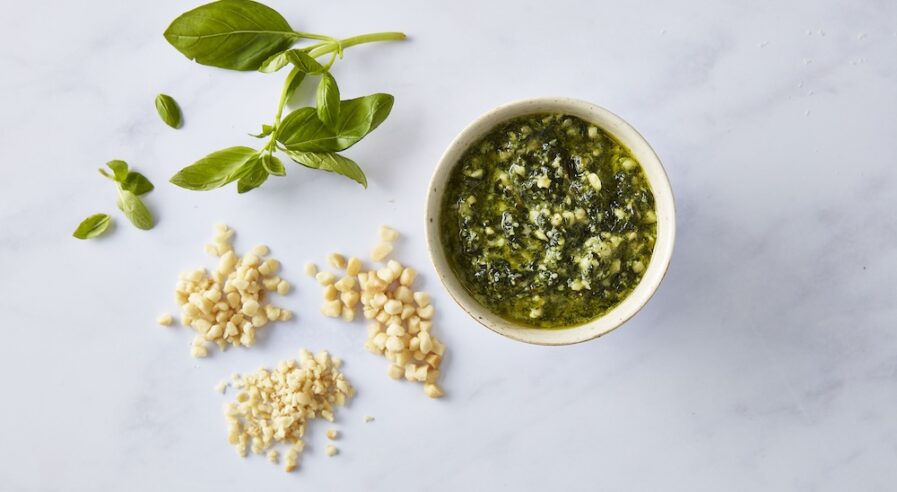
“In dips, macadamias delivered creaminess and mouthfeel in hummus, while providing distinctive texture contrast in pesto through the use of roasted pieces,” she says.
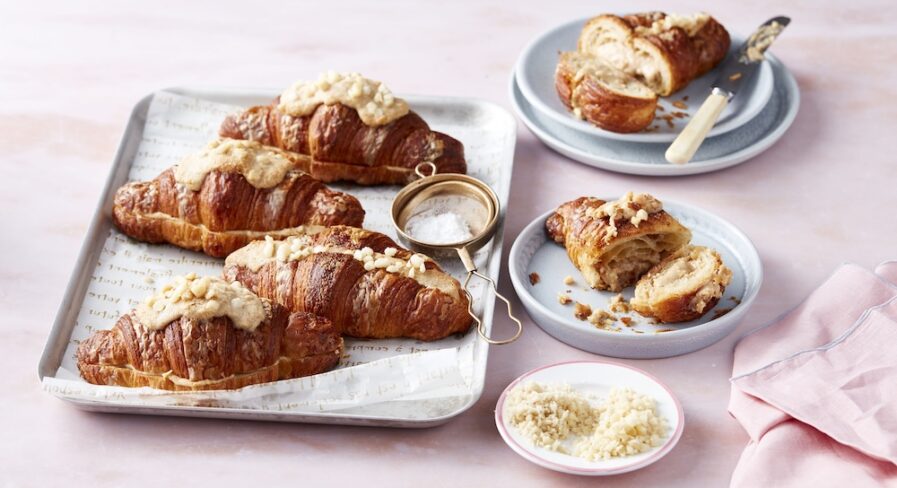
“Bakery concepts leveraged roasting and inclusion strategy to enhance crunch and indulgence, while in praline fillings, the contrast between smooth macadamia paste and roasted inclusions created a layered eating experience that enhanced indulgence and perceived quality.”
As brands continue seeking more layered eating experiences, texture is becoming an increasingly important point of differentiation. With their combination of crunch, creaminess and rich mouthfeel, macadamias are well suited to this shift.
Need more support?
To access the Australian Macadamias Technical Guide and Application Solutions Guides, head to our Technical Resources suite. If you’re looking for a bulk supplier of Australian macadamias, please visit our Supplier Directory.