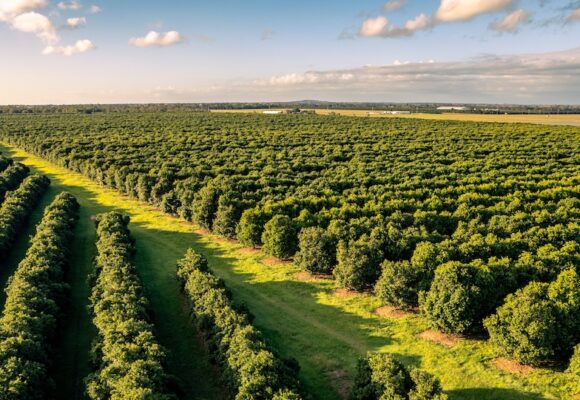
Australia continues to build a deeper understanding of its macadamia production landscape, with updated orchard mapping providing fresh insights into an industry that now spans more than 15 million trees across 47,659 hectares nationwide.
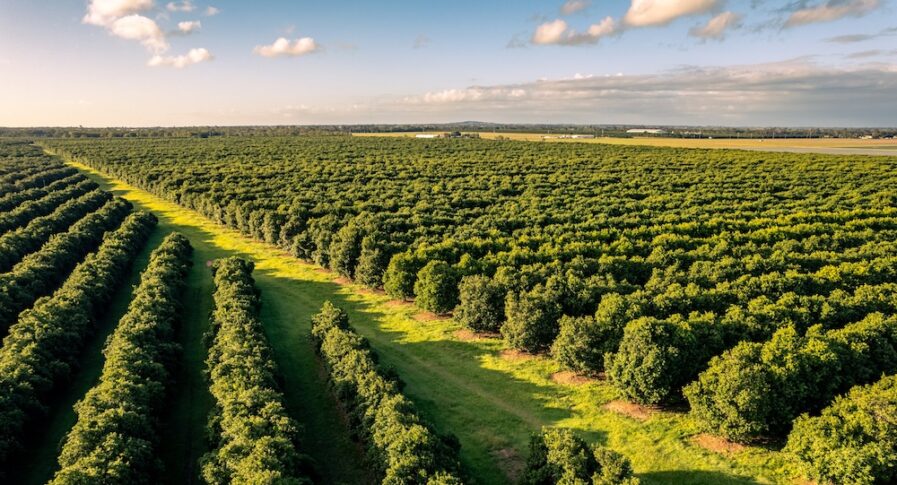
The latest Australian Tree Crop Map identifies an increase of more than 2,200 hectares (5%) over the past year. The analysis also shows more than 38,500 hectares (81%) are now of bearing age, while almost 9,000 hectares remain in younger orchards that will contribute to future production.
Why this matters to international customers
As global macadamia production expands alongside consumer demand, commercial buyers have an increasing choice of sourcing origins. Comprehensive orchard mapping gives Australia a deeper understanding of its production landscape, building a clearer picture of current and future production capacity and strengthening the industry’s ability to provide reliable supply forecasts to the global market.
Providing increasingly detailed insights into orchard age, regional development and future bearing capacity, the mapping data not only improves the accuracy of production forecasts but also supports industry planning, research and development, and biosecurity preparedness.
Australia is uniquely placed among macadamia-producing origins to underpin these forecasts with comprehensive national orchard mapping. This rich evidence base offers customers greater confidence in Australia’s understanding of its production capacity and surety around the long-term reliability of Australian macadamia supply.
Regional growth patterns continue to evolve
Macadamia production across multiple growing regions contributes to a diverse and resilient Australian supply base.
Bundaberg remains the country’s largest growing region, now exceeding 20,000 hectares and accounting for 44% of mapped orchard area. The region also recorded the largest increase during the past year, with almost 2,000 hectares of additional orchard area identified through mapping updates.
Further north, Tropical Queensland continued its rapid expansion, recording the strongest percentage growth during the year at 17% and adding more than 400 hectares. Maryborough also recorded steady growth, adding almost 100 hectares.
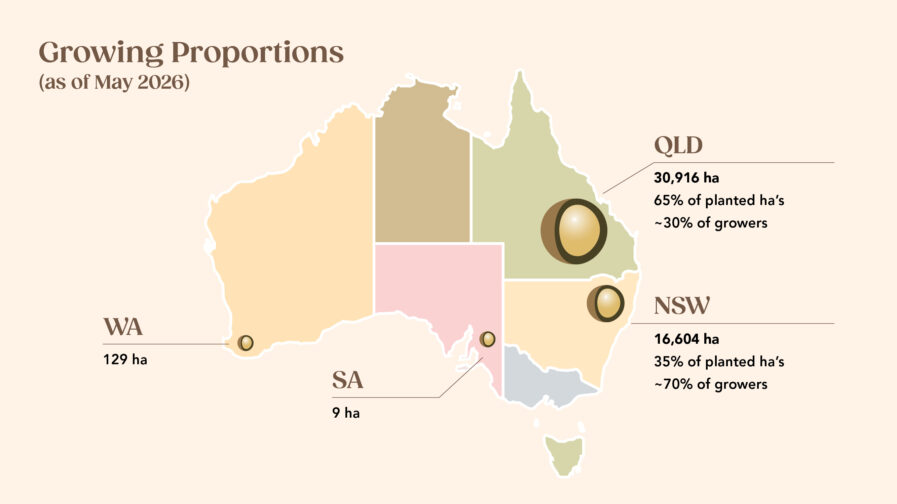
Queensland now accounts for around 65% of Australia’s mapped macadamia area, while New South Wales represents 35%, highlighting the different scale and structure of Australia’s production regions.
South Australia also made its first appearance on the map, with 9 hectares identified in the Loxton region.
Looking beyond net growth
One of the most valuable insights from this year’s analysis is the ability to look beyond overall area growth and examine where orchards are being added and removed.
The Australian Macadamia Society also worked with the mapping team to quantify orchard additions and removals, helping build a more complete picture of industry trends.
The Northern Rivers provides a good example. While the region’s total planted area appears relatively stable, detailed analysis identified 408 hectares of new orchard area alongside 496 hectares of orchard removals during the past year. The figures illustrate how significant change can occur even when net planted area changes very little, as orchards are planted, redeveloped or removed.
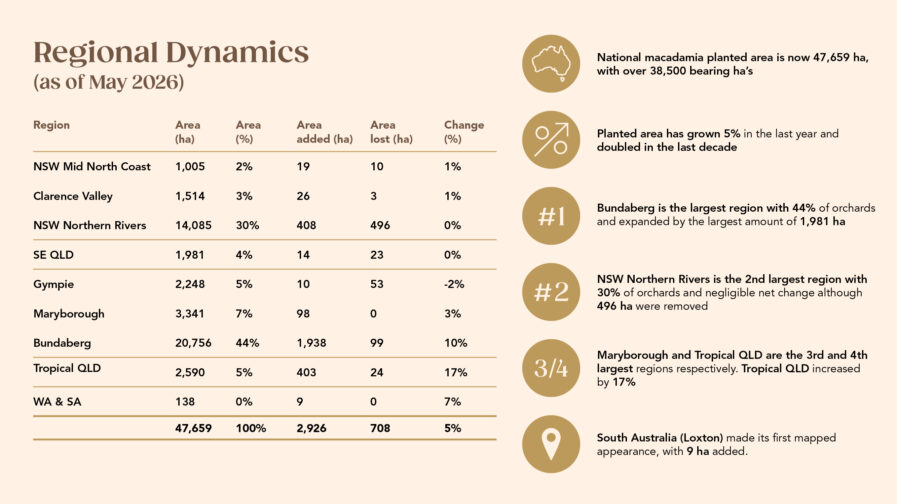
The regional analysis above highlights where orchard area has been added and removed, providing additional insight into how Australia’s production landscape is changing.
Supporting better industry insights
Every orchard contributes to a more complete understanding of Australia’s macadamia industry.
As Australia’s macadamia industry continues to mature, increasingly detailed orchard mapping is helping build a more comprehensive, evidence-based understanding of production capacity and regional development.
Together with ongoing crop forecasting, it helps support informed decision-making across the value chain.
Looking for a supplier?
If you’re looking for a bulk supplier of Australian macadamias, head to the supplier directory. For technical support, visit our technical resources hub.