지속가능성에 대한 요구가 높아지면서 글로벌 원료 조달 방식도 빠르게 변화하고 있다. 많은 브랜드들은 재생 농업 시스템과 책임 있는 생산 방식에 부합하는 원료를 우선적으로 선택하고 있다. 호주 마카다미아는 이러한 흐름을 대표하는 원료 중 하나로, 그 지속가능성은 작물의 기원에서부터 비롯된다.
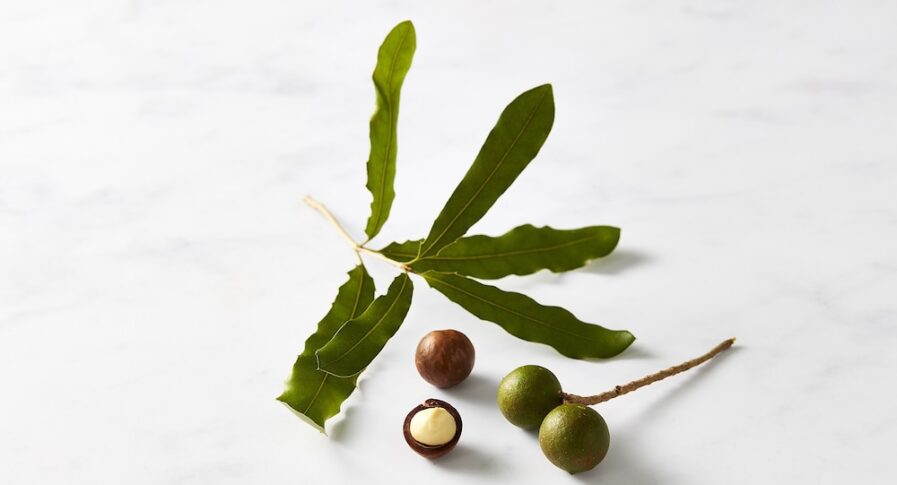
마카다미아는 6천만 년 전 호주에서 처음 기원한 작물로, 호주는 세계 주요 생산국 중 하나인 동시에 마카다미아의 본고장이기도 하다. 이러한 역사는 오늘날 호주 마카다미아 산업이 지속가능성을 실천하는 방식에도 중요한 영향을 미치고 있다.
생물다양성을 고려해 설계된 과수원 생태계부터 토양 건강을 개선하고 탄소를 흡수·저장하는 연구 기반 재배 방식에 이르기까지, 호주 마카다미아 산업은 원산지와 생태, 그리고 현대 재생 농업이 유기적으로 연결되어 있음을 보여준다.
이와 같은 접근 방식은 글로벌 식품 시스템 전반에서 점점 필수적인 기본 요건이 되어가고 있다.
호주 마카다미아 협회(AMS)의 산업개발 매니저이자 2024년 너필드 스칼라(2024 Nuffield Scholar)인 레오니 코제틴(Leoni Kojetin)은 “지속가능성은 이제 프리미엄을 받기 위해 형식적으로 충족시키는 조건이 아니다”라며 “이미 기본적인 운영 기준이 됐다. 지속가능한 방식으로 재배하지 않는다면 제품을 판매하기 점점 어려워질 것”이라고 말했다.
원산지: 자연이 만들어낸 토착 작물의 경쟁력
마카다미아는 호주에서 진화해 수백만 년 동안 인간의 개입 없이 자연 환경 속에서 자생해 온 작물이다. 이러한 특성 덕분에 마카다미아 나무는 호주의 불규칙한 강수량과 극단적인 기온, 기후 변화에 자연적으로 적응되어 있다. 이는 재배 농가들이 환경을 거스르지 않고 자연과 조화를 이루며 재배할 수 있음을 의미한다.
레오니 코제틴(Leoni Kojetin)은 “호주는 마카다미아가 자연적으로 자라는 환경이기 때문에 비교적 적은 개입으로도 재배가 가능하다”고 설명한다.
이어 “일부 지역에서는 작물을 보호하기 위해 인위적인 환경을 조성해야 하지만, 마카다미아는 이곳에서 진화한 작물이기 때문에 지속가능한 생산 측면에서 호주 마카다미아 산업은 자연적인 이점을 가지고 있다”고 덧붙였다.
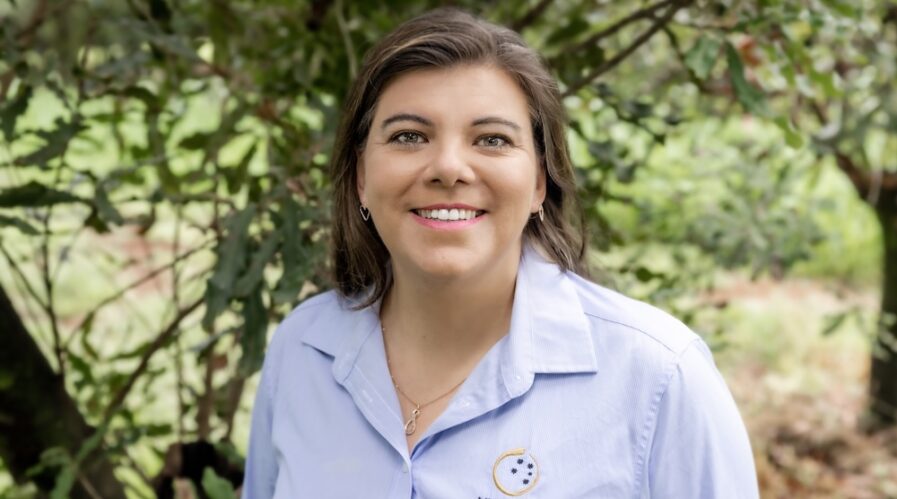
마카다미아의 본고장인 호주는 지구상에서 야생 마카다미아가 자연 상태로 자라는 유일한 곳이다. 전 세계 모든 마카다미아 나무는 바로 이 토착 개체군에서 유래했다. 그러나 현재 야생 마카다미아 4종 모두가 멸종 위기에 처해 있으며, 이에 따라 호주 마카다미아 산업은 자연 서식지 내의 야생 나무들을 보호하기 위한 노력을 전폭적으로 지원하고 있다. 레오니 코제틴은 이러한 야생 개체군이 상업적 생산의 미래에도 중요한 역할을 한다고 강조한다.
“호주는 자연으로부터 직접 배울 수 있는 특별한 기회를 가지고 있다. 연구자들은 야생 마카다미아 주변 토양을 분석해 이 나무들이 자연적으로 잘 자랄 수 있는 환경을 이해하고 있다”고 말했다. 이어 “이러한 연구 데이터가 모든 재배 지역에서 더 건강하고 회복력 있는 토양을 구축하는 밑거름이 되기를 기대한다. 이를 통해 외부 개입을 최소화하면서도 기후 변화에 유연하게 대응할 수 있는 자립형 재배 시스템을 구축하는 것이 우리의 목표”라고 설명했다.
생물다양성을 통한 생산성 강화
마카다미아는 본래 호주의 기후에 최적화된 작물이지만, 과수원을 하나의 ‘살아있는 생태계’로 바라보는 산업의 인식은 크게 발전해 왔다. 이에 따라 오늘날의 과수원은 자연과 조화롭게 설계되고 관리되고 있다.
특히 생물다양성과 토양 간의 관계는 매우 중요한 요소로, 과수원 방식을 크게 변화시켰다. 가장 두드러진 변화는 나무 사이 공간(열간)의 활용 방식이다.
레오니 코제틴은 “과거에는 마카다미아 나무 사이 열간을 단순히 수확 기계가 이동하는 통로 정도로만 여겼다. 줄 사이의 잔디를 거의 바닥까지 깎아낼 정도로 관리해 과수원이 마치 골프장처럼 보이기도 했다”고 회상했다.
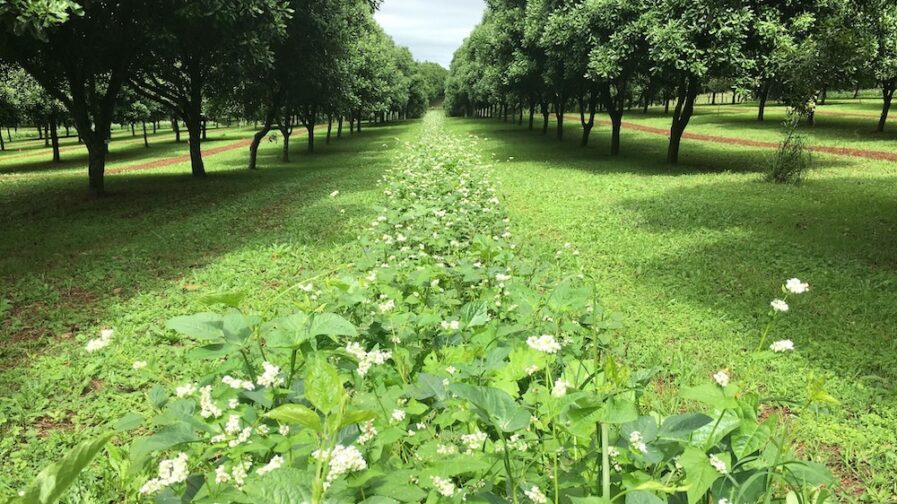
“하지만 지금은 이 공간이 다양한 풀, 콩과식물, 십자화과 식물, 꽃식물을 도입하기에 최적의 환경이라는 것을 알고 있다. 이러한 식재는 유익한 곤충과 수분 매개 곤충이 서식할 수 있는 생물 다양성이 풍부한 공간으로 발전했다.”
열간 식재뿐만 아니라, 많은 재배 농가들은 과수원 외곽과 경계 지역, 그리고 수변 구역에도 다양한 식물을 계획적으로 심고 있다. 이러한 다양성은 단순히 토양 건강을 개선하는 데 그치지 않는다. 토양 아래 지하 생태계를 복원해 활발한 생물 활동과 양분 순환, 안정적인 토양 구조 형성을 가능하게 한다.
레오니는 “지표 위보다 지하에 더 많은 생명과 생물다양성이 존재하며, 토양 아래의 환경은 지상만큼이나 중요하다”고 설명했다. 이어 “재배 농가들은 토양을 단순히 나무를 키우기 위한 수단으로 보지 않는다. 과거에는 생산성을 높이기 위해 토양에 미네랄과 비료를 추가하는 데 집중했다면, 오늘날 마카다미아 농가들은 토양 아래에서 스스로 유지되고 환경 변화에 적응할 수 있는 생태계를 구축하는 과거와 전혀 다른 방식을 취하고 있다. 이는 단순히 토양 내 탄소 함량을 높이는 것을 넘어서는 새로운 접근 방식이다”라고 덧붙였다.
레오니는 이를 “유익한 박테리아와 균류로 이루어진 ‘지하 생태계(underground zoo)’를 구축하는 것”에 비유했다. 이를 통해 형성된 토양은 수분을 저장하고 양분을 순환시키며, 극단적인 온도 변화로부터 작물을 보호하는 완충 지대 역할을 한다.
레오니는 생물다양성이 전반적인 지속가능성 논의에서 점점 더 중요한 요소로 자리 잡고 있다고 강조했다. 물론 생산자와 작물에 따라 이해도와 적용 수준에는 차이가 있지만, 호주 마카다미아 산업에서는 이제 생산성과 생물다양성이 떼어놓을 수 없는 긴밀한 관계가 되었다는 설명이다.
“마카다미아 산업에서는 생물다양성을 통해 생산성 목표를 달성하는 것을 지향하고 있다. 두 요소를 함께 고려함으로써 생산성과 생물다양성이 동시에 향상될 수 있는 방향을 모색하고 있다. 이를 통해 보다 크고 품질이 우수한 마카다미아를 생산하는 동시에, 더욱 자연 친화적인 과수원을 만들어가고 있다”고 말했다.
원칙에서 실천으로: 대규모로 확장되는 재생 농업
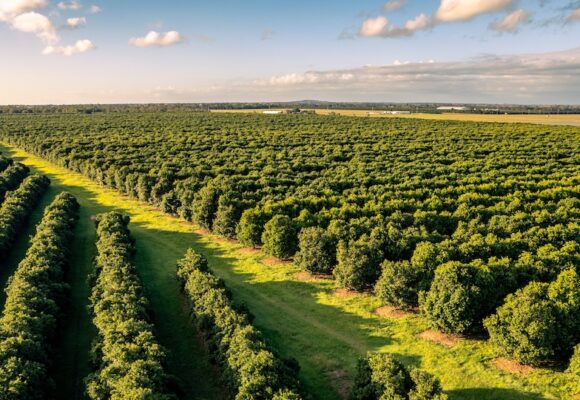
호주의 마카다미아 재배 농가들은 탄소 흡수, 자원 순환, 물 효율성, 생물학적 해충 관리 등 다양한 성과를 만들어내는 재생 농업 방식을 실제 농업 현장에 적용하고 있다.
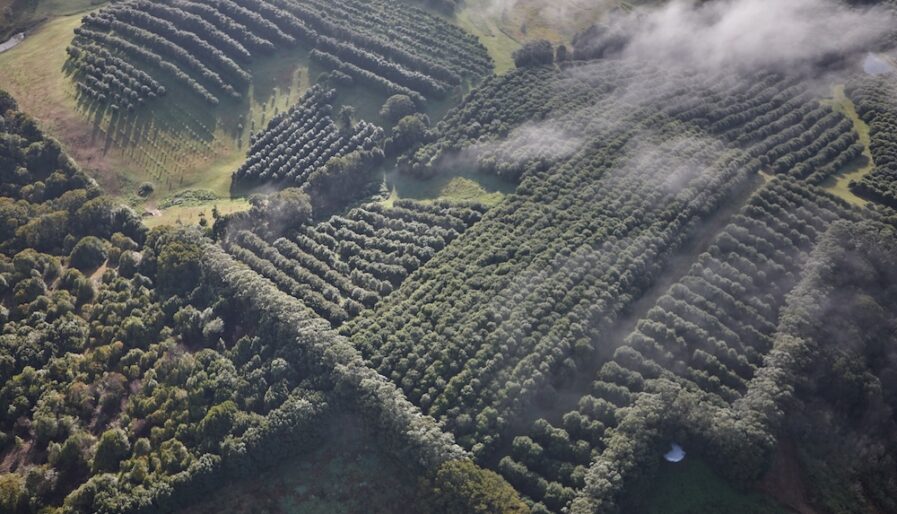
호주 전역에 분포한 약 1,400만 그루의 마카다미아 나무는 대기 중 이산화탄소를 흡수하는 데 핵심적인 역할을 한다. 큰 수형과 풍부한 잎, 긴 수명이라는 특성 덕분에 다른 작물보다 훨씬 더 많은 양의 탄소를 저장할 수 있다. 호주의 평균 마카다미아 과수원은 나무 자체만으로도 연간 헥타르당 17.6톤 이상의 탄소(CO2e)를 흡수·저장하며, 이 외에도 토양과 열간 식재, 생물다양성 구역을 통해 추가적인 탄소 저장이 이뤄진다.
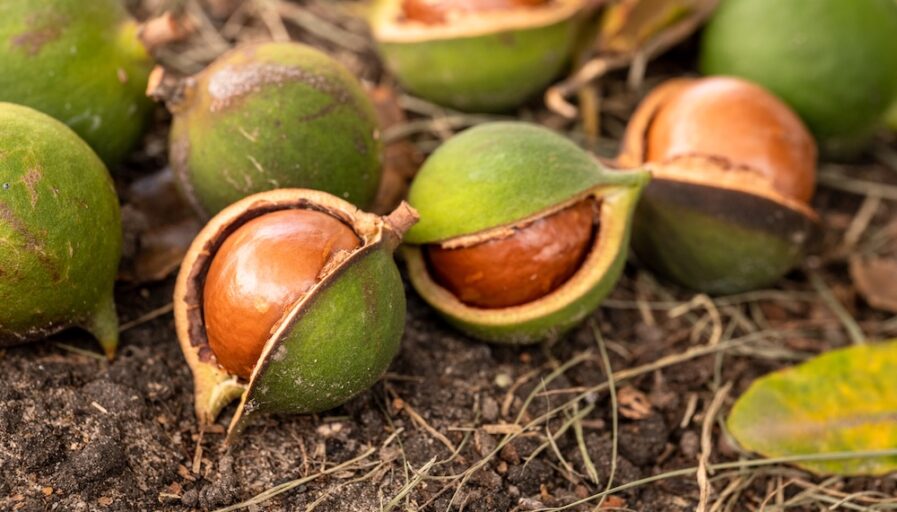
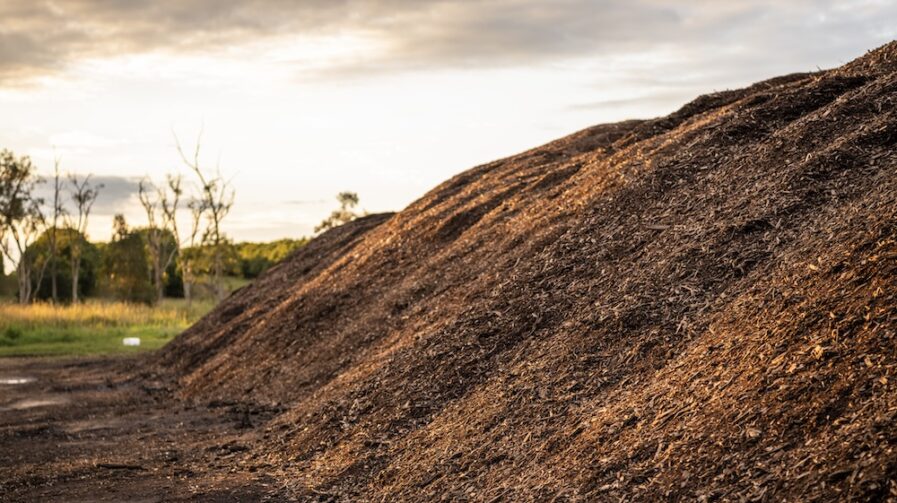
호주의 마카다미아 재배 농가와 가공업체들은 잎과 과피(husk), 껍질(shell)과 같은 부산물을 폐기물이 아닌 가치 있는 자원으로 활용하고 있다. 이를 과수원 시스템으로 되돌려 활용함으로써 토양 건강을 유지하고 탄소 및 영양분의 선순환 구조를 완성하고 있다.
가지치기 후 남은 나뭇가지와 잎과 같은 유기물은 나무 아래에 남겨 토양으로 자연스럽게 유입되도록 하며, 단단한 외피는 퇴비로 활용된다. 이러한 순환은 토양 생태계를 활성화하고 영양분을 보충하며, 토양 내 탄소 저장에도 기여한다. 또한 마카다미아 껍질은 가공 이후에도 전기 생산을 위한 재생 가능한 연료로 활용되는 등 다양한 생산적 용도로 재활용되고 있다.
호주의 마카다미아 재배 농가들의 수자원 관리 방식은 마카다미아 나무가 가진 천연 수분 조절 능력을 그대로 반영하고 있다. 호주 환경에서 진화한 이 나무는 수분 사용을 스스로 조절하고 건조한 환경에서도 견딜 수 있는 자체적인 조절 기능을 갖추고 있다.
레오니 코제틴은 “마카다미아 나무는 수분이 부족하거나 기온이 높은 시기에 기공(stomata)을 닫아 물 사용을 최적화하는 능력이 뛰어나다”며 “이를 통해 수분 손실을 줄이고 매우 건조한 조건에서도 안정적으로 생장할 수 있다”고 설명했다.
수액 흐름(sap flow) 데이터를 기반으로 한 과학적 분석은 이러한 효율성을 다시 한번 입증했으며, 재배 농가들은 이 데이터를 기반으로 관개 방식을 더욱 정밀하게 개선하고 있다.
레오니는 “마카다미아는 다른 작물에 비해 물 사용량이 적은 작물”이라며 “이러한 고유한 효율성 덕분에 최소한의 개입으로도 안정적인 생산이 가능하며, 최근에는 필요한 시점과 위치에만 물을 공급하는 정밀 관개 방식이 확대되고 있다”고 말했다.
호주 마카다미아 산업은 해충과 질병을 생물학적 방제 방식으로 관리하는 데 오랜 역사를 가지고 있다. 재배 농가들은 트리코그램마(Trichogramma) 말벌을 이용해 너트 보러(nut borer)와 같은 해충을 방제하고 있으며, 외양간 올빼미(barn owl)는 화학 약품 없이도 효과적으로 설치류를 억제하는 역할을 한다. 이와 함께 곤충병원성 곰팡이(entomopathogenic fungi)를 활용한 자연 기반 해충 방제 연구도 진행되고 있어, 생물학적 방제 수단이 확장될 것으로 기대된다.
실천으로 이어지는 책임 있는 관리
많은 재배 농가들에게 지속가능성은 곧 책임있는 관리(stewardship)와 맞닿아 있다. 호주 전역의 마카다미아 재배 지역에서는 토종 식생을 보호하고 생물다양성을 증진하기 위해 과수원 내부와 주변에 보전 구역이 조성·유지되고 있다. 이러한 환경은 안정적인 생산을 지탱하는 생태 시스템을 유지하는 데 핵심적인 역할을 한다.
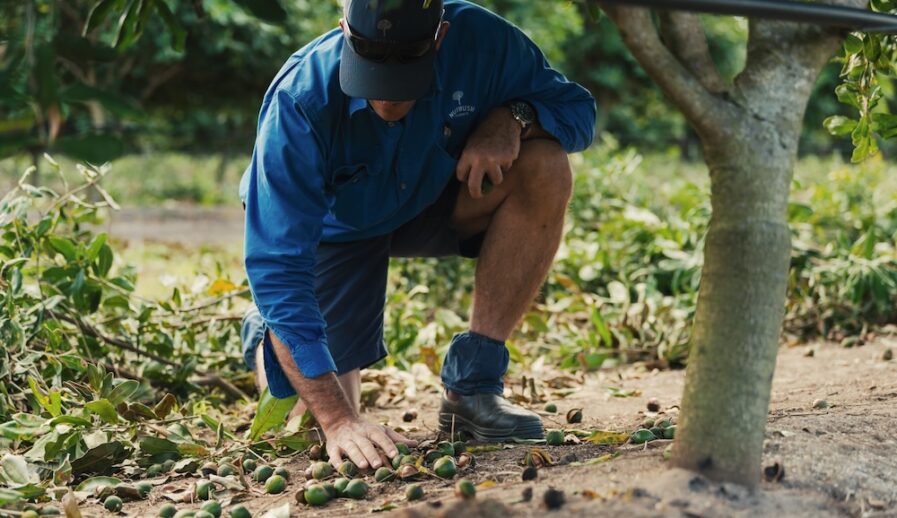
레오니 코제틴은 “호주 마카다미아 재배 농가들은 자신이 경작하는 토지를 책임 있게 관리하는 주체이며, 보전 활동을 적극적으로 실천하는 방식으로 농업을 운영하고 있다”고 설명했다.
그녀의 국제 연구 경험 또한 이러한 인식을 더욱 강화했다.
“너필드 스칼라십(Nuffield Scholarship) 연구를 통해 여러 국가를 방문하며 다양한 농업 시스템을 접했지만, 호주 마카다미아 재배 농가들이 실천하는 환경 관리와 생산 시스템 전반에 깊이 자리 잡고 있는 지속가능성은 독보적이었다. 이는 우리 산업의 큰 자부심”이라고 말했다.
지속가능한 식품 생산의 미래를 함께할 원료를 찾는 브랜드라면, 호주 마카다미아 산업이 써 내려가는 이 특별한 이야기에 주목해보길 바란다.
호주 마카다미아 재배 농가들의 지속가능성 실천에 대한 보다 자세한 내용은 관련 페이지에서 확인할 수 있다.