Z세대는 더 이상 미래의 소비층으로 지켜보기만 할 세대가 아니다. 이들이 본격적으로 사회에 진출하고 스스로 소비할 수 있는 경제력을 갖추면서, 어떤 제품이 주목받고 구매·소비되는지에 미치는 영향도 갈수록 커지고 있다. 소셜 미디어는 제품에 관심을 갖게 된 순간부터 실제 구매까지의 과정을 단축하고 있으며, 풍미와 편의성은 물론 개인 맞춤형 건강 관리에 대한 기대도 이에 맞춰 변화하고 있다.
알파 세대는 Z세대와는 전혀 다른 생애 단계에 있다. 아직 구매는 대부분 부모에게 의존하지만, 가정에서 어떤 식품을 선택하는지에 이미 영향을 미치고 있다. 또한 영양과 기능성이 더욱 중요해지고, 식품을 경험하는 방식도 갈수록 참여형으로 변화하는 환경에서 성장하고 있다.
민텔(Mintel)은 Z세대를 1997~2010년 출생자, 알파 세대를 2011년 이후 출생자로 정의한다. 두 세대를 함께 살펴보면 향후 식음료 소비가 어떤 방향으로 변화할지 가늠할 수 있다.
SNS 피드에서 장바구니까지: Z세대가 바꾸는 식품 탐색과 구매 방식
Z세대에게 소셜 미디어는 단순히 식품 트렌드를 접하는 공간을 넘어섰다. 먹거리에 대한 아이디어를 얻고 새로운 제품을 발견하는 것부터 실제 구매까지, 모든 과정이 한곳에서 이뤄진다.
이러한 변화는 특히 중국에서 뚜렷하다. 민텔(Mintel)에 따르면, 18~24세 Z세대 포장 스낵 구매자의 50%가 더우인(Douyin), 콰이쇼우(Kuaishou), 샤오홍슈(Xiaohongshu) 등 소셜 미디어 플랫폼을 통해 포장 스낵을 구매한 경험이 있다. 다른 시장에서는 플랫폼 내에서 직접 구매까지 이어지지 않더라도 소셜 미디어가 식품 선택에 미치는 영향은 여전히 뚜렷하다. 민텔 조사에 따르면 미국 Z세대 성인의 56%가 소셜 미디어에서 접한 건강한 식습관 관련 팁의 영향을 받았으며, 태국 Z세대 성인의 67%는 기능성 식음료를 구매할 때 인플루언서나 소셜 미디어 뉴스를 통해 가장 먼저 정보를 얻는다고 답했다.
이는 새로운 트렌드가 실제 비즈니스 기회로 이어지기까지의 시간을 단축한다. 민텔 식음료 부문 부디렉터 코맥 헨리(Cormac Henry)는 브랜드가 “소셜 미디어에서 빠르게 확산되는 맛과 제품 형태의 트렌드”에 발 빠르게 대응하는 동시에, 최종 제품에서도 맛과 식감에 대한 소비자의 기대를 충족해야 한다고 설명한다.
미국의 하와이안 호스트 우베 화이트 초콜릿 마카다미아가 대표적인 사례다. 이 제품은 구운 마카다미아와 부드러운 화이트 초콜릿에 우베(보라색 얌)를 조합했다. 특히 우베 특유의 선명한 보라색을 활용해 소셜 미디어에서 화제를 모았다.
경제적 부담 역시 젊은 소비자의 구매 방식에 영향을 미치고 있다. 코맥은 경제적 여유가 부족한 젊은 소비자들에게 식음료가 비교적 부담 없이 누릴 수 있는 즐거움의 하나라고 설명한다. 그는 “이 세대는 경제적 상황이 나아질 때까지 무작정 기다리려 하지 않는다”며 “그렇다고 그동안의 즐거움까지 포기하고 싶어 하는 것은 아니다”라고 말했다.
개인화되는 웰니스: 즉각적인 효과부터 혈당 모니터링까지
Z세대의 웰니스에서도 즉각적인 효과를 중시하는 경향이 나타나고 있다. 민텔이 여러 시장을 대상으로 실시한 조사에 따르면, 젊은 소비자일수록 명확하고 단기간에 체감할 수 있는 효과를 제공하는 기능성 식음료에 대한 수요가 높은 것으로 나타났다. 미국에서는 Z세대 성인의 38%가 즉각적인 효과를 제공하는 기능성 음료를 선호한다는 데 매우 동의한다고 답했으며, 독일에서는 기능성 식음료를 섭취하는 Z세대의 62%가 에너지 보충과 같은 즉각적인 니즈를 충족하기 위해 이러한 제품을 소비한다고 답했다.
기술의 발전은 이러한 기대를 한 단계 더 끌어올릴 수 있다. 코맥 헨리는 “웨어러블 혈당 측정기의 가격이 낮아지고, 젊은 소비자들이 어떤 식음료가 자신의 혈당을 상승시키는지 보여주는 개인 맞춤형 데이터를 보다 쉽게 활용할 수 있게 되면서 이러한 변화는 더욱 빨라질 것”이라고 말했다. 민텔에 따르면 중국의 25~29세 소비자 가운데 39%는 지난 12개월 동안 혈당 관리를 위해 당을 줄이거나 조절하는 데 도움이 되는 식음료를 구매한 경험이 있다. 마카다미아는 이러한 흐름과 자연스럽게 연결된다. 탄수화물 함량이 낮은 데다 건강한 지방과 단백질, 식이섬유를 함께 함유하고 있어 식후 혈당이 급격하게 상승하는 것을 완화하는 데 도움을 주기 때문이다.¹

민텔의 조사에 따르면 Z세대는 이미 기능성 제품에 대해 명확한 근거를 요구하고 있다. 호주 Z세대 소비자의 58%는 과학적 근거로 뒷받침되는 영양 강화 또는 기능성 식음료가 그렇지 않은 제품보다 더 신뢰할 수 있다고 답했다. 코맥은 “기능성과의 연관성이 불분명한 여러 주장을 내세우는 것보다, 충분한 근거를 갖춘 하나의 명확한 기능성 주장을 제시하는 것이 더 설득력 있을 수 있다”고 설명했다.
전통적으로 중장년층의 관심사로 여겨졌던 심장 건강이 이제 젊은 세대에서도 주목받고 있다. 웨어러블 기기를 통해 개인의 건강 지표를 보다 쉽게 확인할 수 있게 되면서, 미국 Z세대의 23%는 심장 건강 문제를 매우 우려한다고 답했다. 마카다미아는 견과류 가운데 단일불포화지방이 가장 풍부하며, 이른바 ‘좋은 지방’으로 불리는 단일불포화지방은 심장 건강 유지에 도움을 주는 것으로 알려져 있어 이러한 흐름과도 자연스럽게 연결된다.²˒³
흔들리는 식사의 독점적 지위
Z세대가 음식을 대하는 방식이 변화하면서, 먹는 시간과 방식도 달라지고 있다. 미국에서는 Z세대 소비자의 26%가 하루 세 번 이상 간식을 먹는 반면, 베이비붐 세대에서는 그 비율이 9%에 불과하다. 호주에서는 간식을 즐기는 Z세대의 55%가 일주일에 한 번 이상 간식으로 식사를 대체한다고 답했다.

이러한 변화는 천연 식품과 음료에 대한 수요 증가와도 맞물린다. 미국 Z세대의 61%는 일반적으로 ‘100% 천연(all natural)’ 또는 ‘천연 원료로 제조(made with natural ingredients)’라고 표시된 제품을 구매한다고 답했으며, 베이비붐 세대에서는 그 비율이 45%였다. 코맥은 말레이시아의 5가지 원료로 만든 ‘브레이크 퍼스트 바이 에이미(Break First by Amy)’의 ‘딸기 웨이퍼 캐슈넛+마카다미아 버터’를 마카다미아가 단순하고 익숙한 원료 구성에 풍미와 식감을 더할 수 있음을 보여주는 사례로 소개한다.
알파 세대, ‘영양에 강박적인’ 세대?
Z세대가 식음료에서 더 많은 것을 기대한다면, 알파 세대는 이를 당연한 기준으로 여기며 성장할 가능성이 있다. 민텔은 식단과 영양에 대한 부모의 높은 관심 속에서 자라는 세대를 설명하기 위해 의도적으로 다소 도발적인 ‘영양에 강박적인(nutritionally neurotic)’이라는 표현을 사용한다. 영국, 브라질, 중국을 대상으로 한 민텔 조사에서는 영양소 섭취와 건강한 식습관, 과일과 채소 섭취에 대한 부모들의 높은 우려가 공통적으로 나타났다.
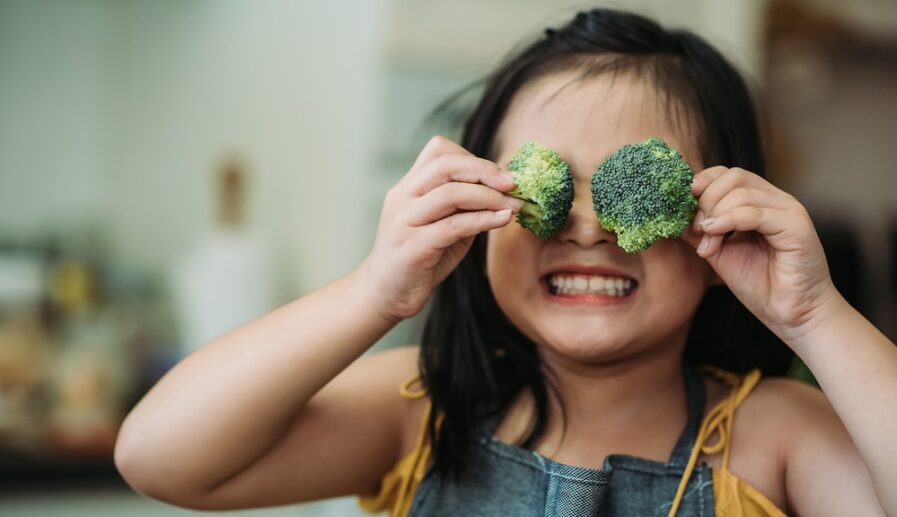
이러한 우려는 이미 알파 세대를 겨냥해 개발되는 제품에도 영향을 주고 있다. 민텔에 따르면 5~12세 어린이를 대상으로 영양소 추가 또는 강화와 같은 기능성 및 ‘플러스(plus)’ 표시를 내세운 신제품 출시는 지난 10년간 거의 두 배로 증가했다. 이에 따라 알파 세대는 스스로 구매 결정을 내리기 훨씬 전부터 추가적인 이점을 제공하는 제품에 익숙해지고 있다.
당류 역시 알파 세대의 식품 환경이 변화하고 있는 영역 중 하나다. 민텔에 따르면 전 세계 5~12세 어린이를 대상으로 한 식음료 제품의 평균 첨가당 함량은 지난 4년간 약 15% 감소해, 2022~2023년 100g/ml당 23.33g에서 2025~2026년 19.76g으로 낮아졌다. 다만 제품 개발에는 여전히 과제가 있다. 어린이는 자연스럽게 단맛을 선호하는 경향이 있는 반면, 많은 부모는 인공감미료를 꺼리기 때문이다. 저당 제품 개발이 활발해질수록 마카다미아처럼 본래 당 함량이 낮은 원료가 더욱 주목받을 수 있다.
조르는 아이, 결정하는 부모
알파 세대가 뚜렷한 식품 취향을 형성해가고 있지만, 현재로서는 이러한 취향이 실제 구매로 이어지려면 여전히 부모의 기준을 거쳐야 한다. 코맥 헨리는 브랜드가 “알파 세대의 관심을 끄는 동시에 가정의 식품 구매 예산을 실질적으로 관리하는 부모까지 설득해야 하는 미묘한 균형을 맞춰야 한다”고 설명한다.

브랜드들은 소비자가 직접 참여할 수 있는 요소를 식품에 더해 이러한 간극을 좁히고 있다. 민텔 조사에 따르면 알파 세대 자녀를 둔 호주 부모의 86%는 음식과 음료를 함께 준비하는 것이 가족 간 유대감을 형성하는 데 중요하다고 답했으며, 70%는 자녀가 새로운 음식과 맛을 시도하는 것을 좋아한다고 응답했다. 이는 아이들이 직접 만들고, 취향에 맞게 조합하고, 찍어 먹고, 꾸미는 등 과정에 참여할 수 있는 제품에 새로운 기회를 제공한다. 마카다미아는 이러한 경험에도 잘 어울린다. 통커널, 조각, 페이스트, 스프레드 등 다양한 형태로 활용할 수 있어 아이들이 직접 참여하고 함께 나눠 즐길 수 있는 제품에 다양한 맛과 식감을 더할 수 있다.
알레르기 정책이 바꾸는 식품 선택
견과류의 경우, 알파 세대와 관련해 고려해야 할 또 하나의 중요한 요소는 어디에서 섭취할 수 있는가 하는 점이다. 학교와 보육시설의 알레르기 관련 정책은 시장과 기관마다 다르지만, 실제 구매 결정에 상당한 영향을 줄 수 있다. 민텔의 호주 조사에 따르면 알파 세대 자녀를 둔 부모의 61%는 자녀가 다니는 학교의 알레르기 정책이 자녀를 위해 구매하는 식음료에 영향을 미친다고 답했다.
그렇다고 해서 알파 세대 시장에서 마카다미아의 기회가 사라지는 것은 아니다. 다만 마카다미아를 섭취하기에 적합한 상황에 초점을 맞출 필요가 있다. 집에서 간식으로 즐기거나 가족과 함께 나눠 먹고, 요리와 베이킹에 활용하는 경우에는 보호자의 관리 아래 마카다미아를 즐길 수 있다.
제품 개발자에게 주는 시사점
Z세대와 알파 세대는 서로 다른 방식으로 식음료에 더 많은 것을 기대하는 젊은 소비자의 모습을 보여준다. 제품 개발자에게 중요한 것은 신뢰성과 즐거움 사이에서 균형을 찾는 것이다. 차별화된 맛과 식감, 변화하는 섭취 상황에 적합한 제품 형태, 익숙하고 이해하기 쉬운 원료, 그리고 새로운 것을 시도해 보고 싶게 할 만큼의 참신함이 필요하다. 마카다미아는 이러한 다양한 요구에 맞춰 폭넓게 활용할 수 있어, 미래 소비자의 모습이 형성되어 가는 가운데 제조업체가 제품을 개발하는 데 상당한 유연성을 제공한다.
이 기사는 전 세계 소비자 조사와 시장 인사이트를 종합해 민텔(Mintel)이 2026년 7월 호주 마카다미아를 위해 실시한 맞춤형 분석을 바탕으로 작성됐다. 추가로 다음 자료의 인사이트를 참고했다:
- How To Target the Nutritional Needs of Each Generation, Mintel, January 2025
- Australia: Feeding Gen Alpha – Who’s In Control?, Mintel, May 2026